

A Complete Guide to Collecting Islamic Coins
By period, region, art, material, and denomination
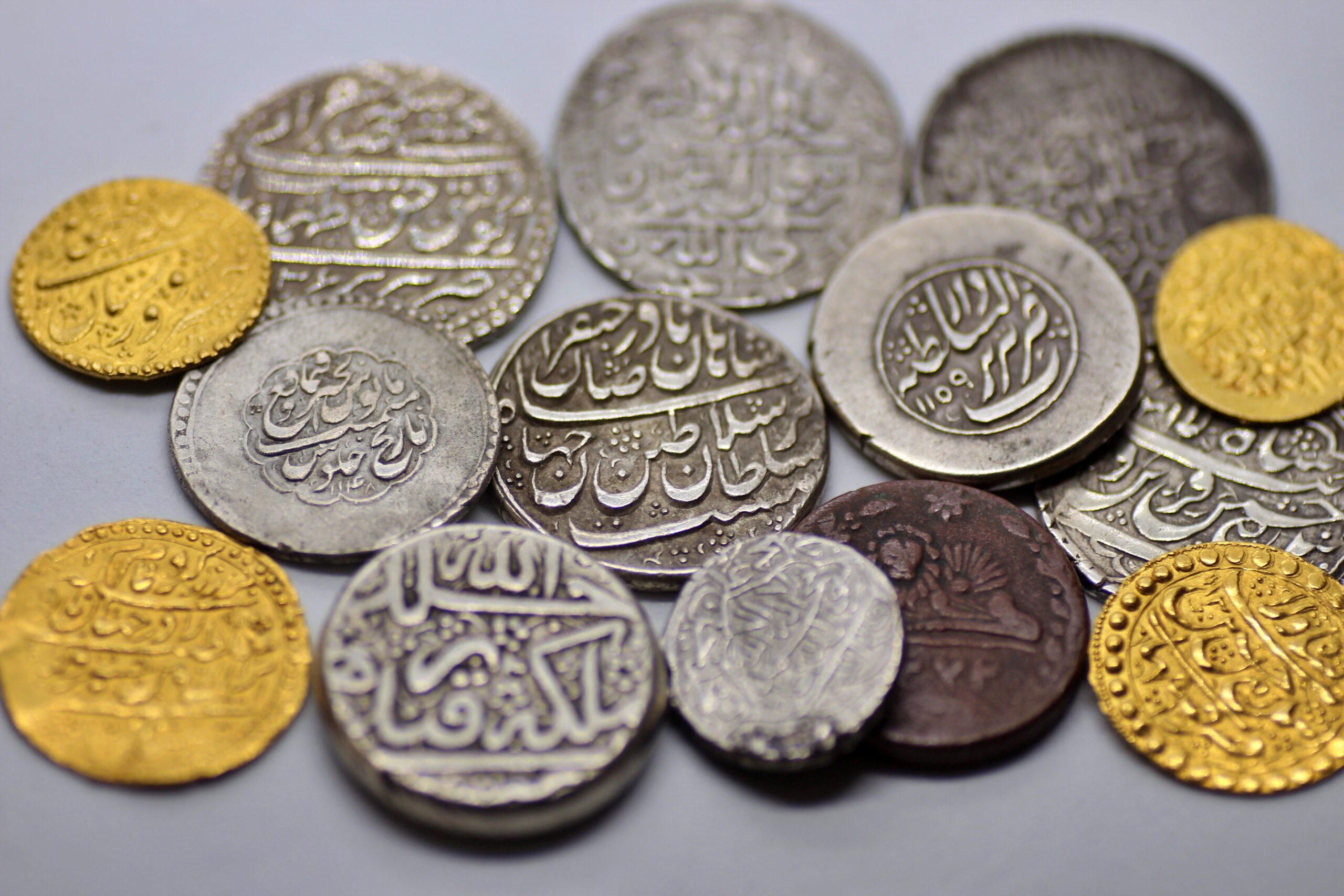
Islamic coinage spans over 1,300 years, a dozen major dynasties, and territory stretching from Spain to the Indian subcontinent — making it one of the richest and most historically continuous coin series in the world. For a new collector, that range is exciting, but it can also feel genuinely overwhelming without a map. This guide breaks Islamic coinage down five different ways — by time period, by region, by artistic and calligraphic style, by material, and by denomination — so you can find the specific angle that genuinely interests you and start collecting with real direction rather than guesswork.
Section 1Islamic Coinage by Time Period
Islamic coinage didn't stay static for thirteen centuries — it evolved through distinct dynastic periods, each with its own minting conventions, dominant denominations, and historical character. Here's a chronological map of the major periods most collectors build around.
Pre-Reform / Arab-Byzantine & Arab-Sasanian
In the first decades after the Arab conquests, the new Islamic administration largely continued the existing Byzantine and Sasanian coin designs it inherited, adding Arabic phrases to otherwise familiar imagery — imperial busts in the west, Sasanian fire-altars and royal portraits in the east. This transitional coinage is a genuinely fascinating bridge between two older worlds and the new Islamic one, and is often the earliest tangible starting point for collectors interested in the very origins of Islamic coinage.
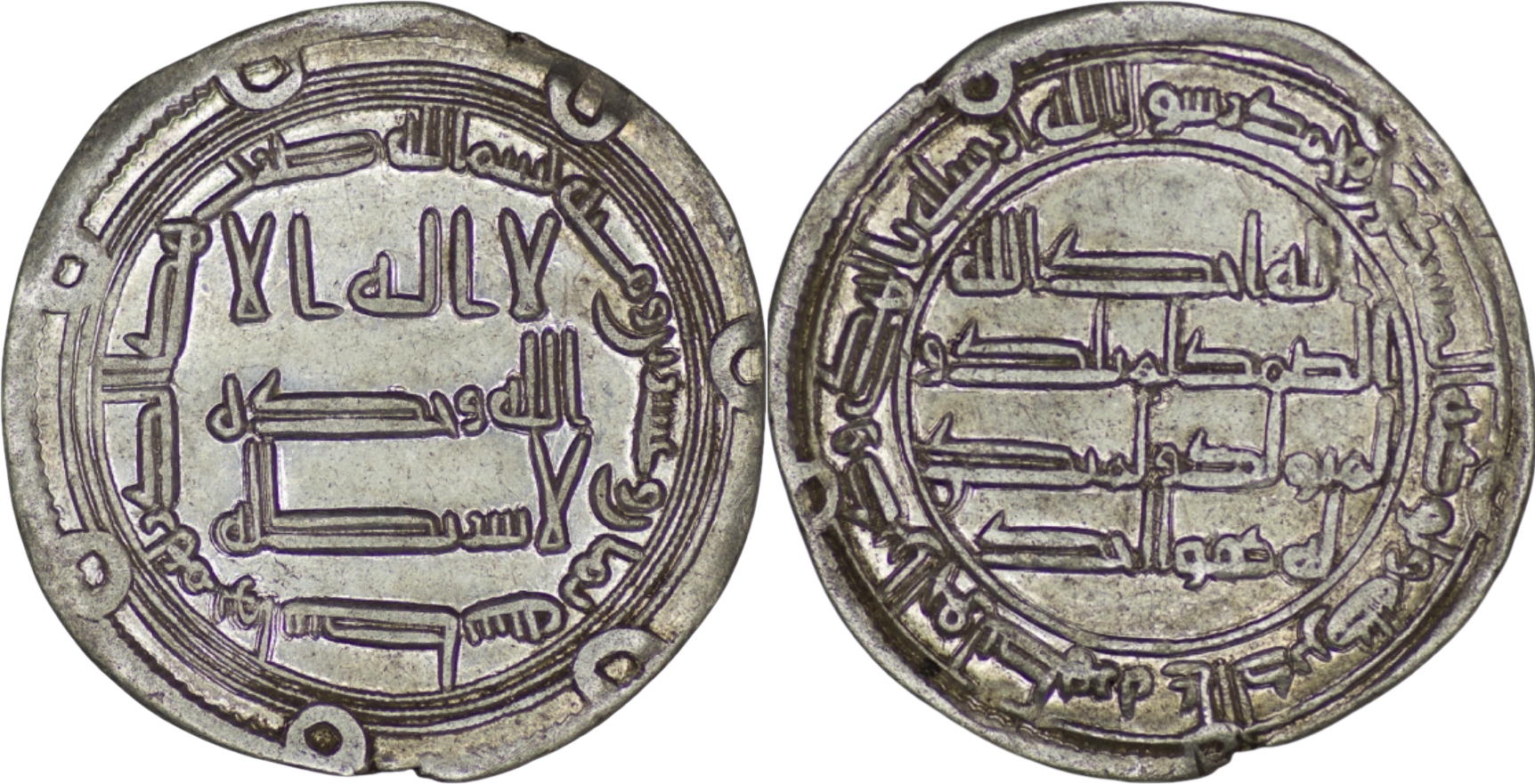 Silver Umayyad dirham
Umayyad
The foundational period of purely epigraphic Islamic coinage, following Caliph Abd al-Malik's reform of 696–697 CE that removed all figural imagery in favour of Arabic script alone. Umayyad dirhams and dinars — Kufic script, Qur'anic inscriptions, mint and date in the margin — set the template that would shape Islamic coinage for centuries afterward.
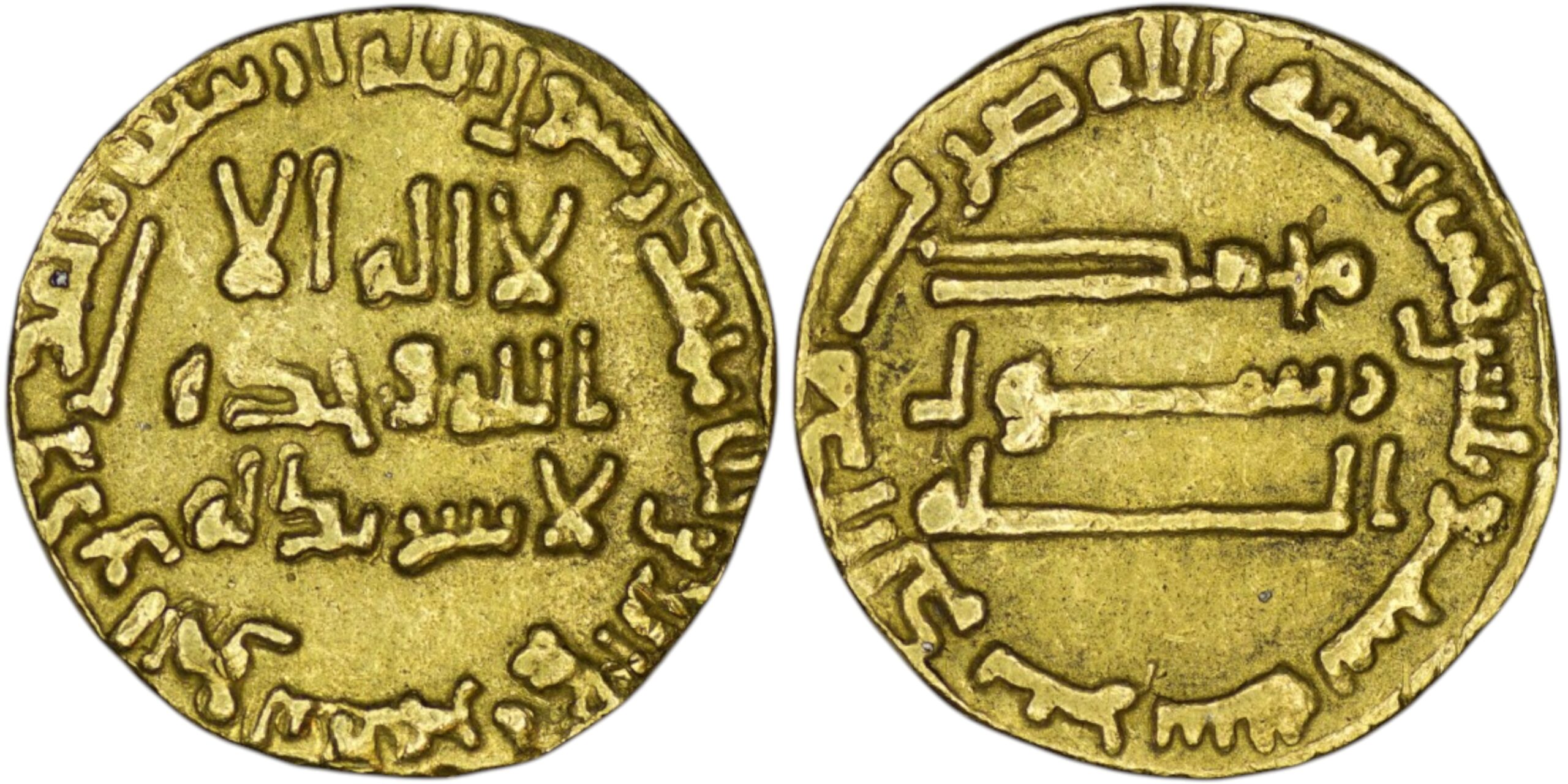 Gold Abbasid dinar
Abbasid
The longest-running caliphate in Islamic history, and numismatically the richest for collectors focused on mints and dates — Abbasid coinage was struck across an enormous geographic network, from Baghdad and Samarra to provincial mints stretching from North Africa to Central Asia, giving date/mint collectors genuinely extensive material to work with.
Fatimid
A Shi'a Isma'ili caliphate centred in Egypt, known for producing some of the most technically refined gold dinars of the medieval Islamic world — precise, elegant Kufic calligraphy struck to a famously reliable purity standard that made Fatimid gold trusted well beyond its own borders.
Buyid & Seljuk
Regional dynasties that held real political and military power while nominally recognising Abbasid caliphal authority — a layered arrangement of power directly reflected in their coinage, which typically names both the local ruler and the distant caliph on the same coin. Seljuk of Rum coinage, in particular, later shows the visible impact of the Mongol invasions on Anatolian minting.
Ilkhanid (Mongol Persia)
Mongol rulers of Persia who adopted Islamic administrative and monetary conventions, producing silver dirhams that blend Mongol political authority with established Perso-Islamic minting tradition — including the genuinely unusual, short-lived experiment with paper currency under Geyhatu Khan in the 1290s.
Safavid Persia
Distinctive shahi and abbasi silver coinage tied directly to the rise of Twelver Shi'ism as Persia's state religion under Shah Ismail I — a religious and political transformation whose coinage carries explicit Shi'a inscriptions unlike most earlier Persian Islamic dynasties. Read our piece on the fall of the Safavids.
Mughal India
One of the most visually spectacular Islamic coin series, particularly under Emperor Akbar and his successors — large, beautifully calligraphed gold mohurs and silver rupees, some bearing genuinely exceptional Persian poetic inscriptions and, briefly under Jahangir, even figural zodiac and portrait imagery, a notable departure from the wider epigraphic norm.
 Silver Ottoman akce
Ottoman Empire
The widest date range of any Islamic dynasty, with coinage evolving dramatically across six centuries — from early silver akce issues, through the distinctive calligraphic tughra (the sultan's ornate monogram) that became a defining Ottoman design feature, to late-period para and kurush issues reflecting growing European monetary influence in the coinage's final century.
Section 2Islamic Coinage by Region
Because the Islamic world at its height stretched from the Atlantic to the Indian subcontinent, coinage from different regions developed genuinely distinct visual and administrative characters — even within the same time period. Collecting by region, rather than purely by dynasty, is a rewarding alternative approach many collectors use.
Arabia & the Levant
The heartland of the earliest Islamic coinage — Damascus, Mecca, Medina, and Jerusalem all appear as mint names on early Umayyad issues, making coins from this region especially significant to collectors interested in the origins of Islamic minting itself.
Persia & Central Asia
An unbroken minting tradition running from Arab-Sasanian transitional coinage through Buyid, Seljuk, Ilkhanid, and Safavid issues — genuinely the deepest and most continuously documented regional series in Islamic numismatics, and Pashiz Coins' particular specialism.
Anatolia & the Balkans
Seljuk of Rum and, later, Ottoman coinage dominate this region — tracing a direct line from medieval Persianate Anatolia through to the rise of one of history's longest-lasting empires and its eventual expansion into Southeastern Europe.
North Africa & Al-Andalus
Fatimid Egypt's refined gold dinars, alongside the coinage of Islamic Spain (Al-Andalus) under the Umayyad Emirate and later successor states — a region whose coinage reflects a genuinely distinct Western Islamic artistic and administrative tradition.
Indian Subcontinent
Delhi Sultanate and, later, Mughal coinage represent a genuinely distinct branch of Islamic numismatics — larger flans, denominations like the tanka and rupee, and, under the Mughals, some of the most artistically ambitious Islamic coin designs ever produced.
Iraq & Mesopotamia
Baghdad's centrality as the Abbasid capital, and later as a key Buyid and Ilkhanid administrative centre, makes coinage from this region a genuine backbone for any collection focused on the medieval Islamic caliphate's political core.
Section 3The Evolution of Islamic Coin Art & Script
Because Islamic coinage largely avoided figural imagery after the 690s CE reform, its artistic development is told almost entirely through calligraphy — the evolution of Arabic script itself is, in a very real sense, the design history of Islamic coinage. Here's how that evolution unfolded.
- Figural continuity (pre-reform). The earliest Islamic coinage retained Byzantine and Sasanian imagery — emperors, fire altars, crosses modified into staffs — with Arabic phrases added rather than replacing the existing design outright.
- The epigraphic reform (696–697 CE). Caliph Abd al-Malik's reform removed figural imagery entirely, replacing it with pure Kufic script — the angular, geometric early Arabic calligraphic style — arranged in concentric circular bands quoting the shahada and Qur'anic verses.
- Kufic refinement and regional variation. Across the Umayyad and Abbasid periods, Kufic script on coinage grew more refined and, in places, more decoratively elaborate — floriated Kufic, where letterforms sprout ornamental leaf-like flourishes, became a genuine artistic hallmark of certain mints and periods, particularly under the Fatimids.
- The rise of Naskh and cursive scripts. From roughly the 11th–12th centuries onward, more flowing cursive scripts like Naskh gradually became common on coinage in many regions, alongside continued Kufic use in some areas — giving later medieval Islamic coins a visibly different calligraphic character from earlier issues.
- Regional artistic peaks. Certain dynasties developed genuinely distinctive visual signatures within the broader epigraphic tradition — Mughal coinage's often spectacular Persian poetic inscriptions, and the Ottoman tughra, an elaborate calligraphic monogram unique to each sultan, functioning almost as a royal signature rendered in gold and silver.
- Rare figural exceptions. A small number of notable exceptions to the broader epigraphic norm exist and are highly sought after by specialist collectors — most famously the brief figural and zodiac coinage struck under the Mughal emperor Jahangir, a genuinely unusual departure within the wider Islamic tradition.
Section 4Islamic Coinage by Material
As with most pre-modern coinage systems, Islamic coins were struck in a tiered system of metals, each serving a different tier of the economy — and each offering a genuinely different collecting experience today.

Gold (Dinar)
Reserved for high-value transactions, tribute, and elite payments. Struck in smaller numbers than silver, making surviving gold dinars rarer and typically commanding a real premium — Fatimid and Mughal gold are particularly prized for their purity and calligraphic refinement, and later Persian gold, like this Afsharid mohur of Nadir Shah, carries the same tradition forward.
Silver (Dirham)
The genuine workhorse of the Islamic monetary system across most periods and regions — the dirham was the standard unit for everyday and mid-value trade, and survives in far greater quantity than gold, making it the most accessible entry point for most new collectors.
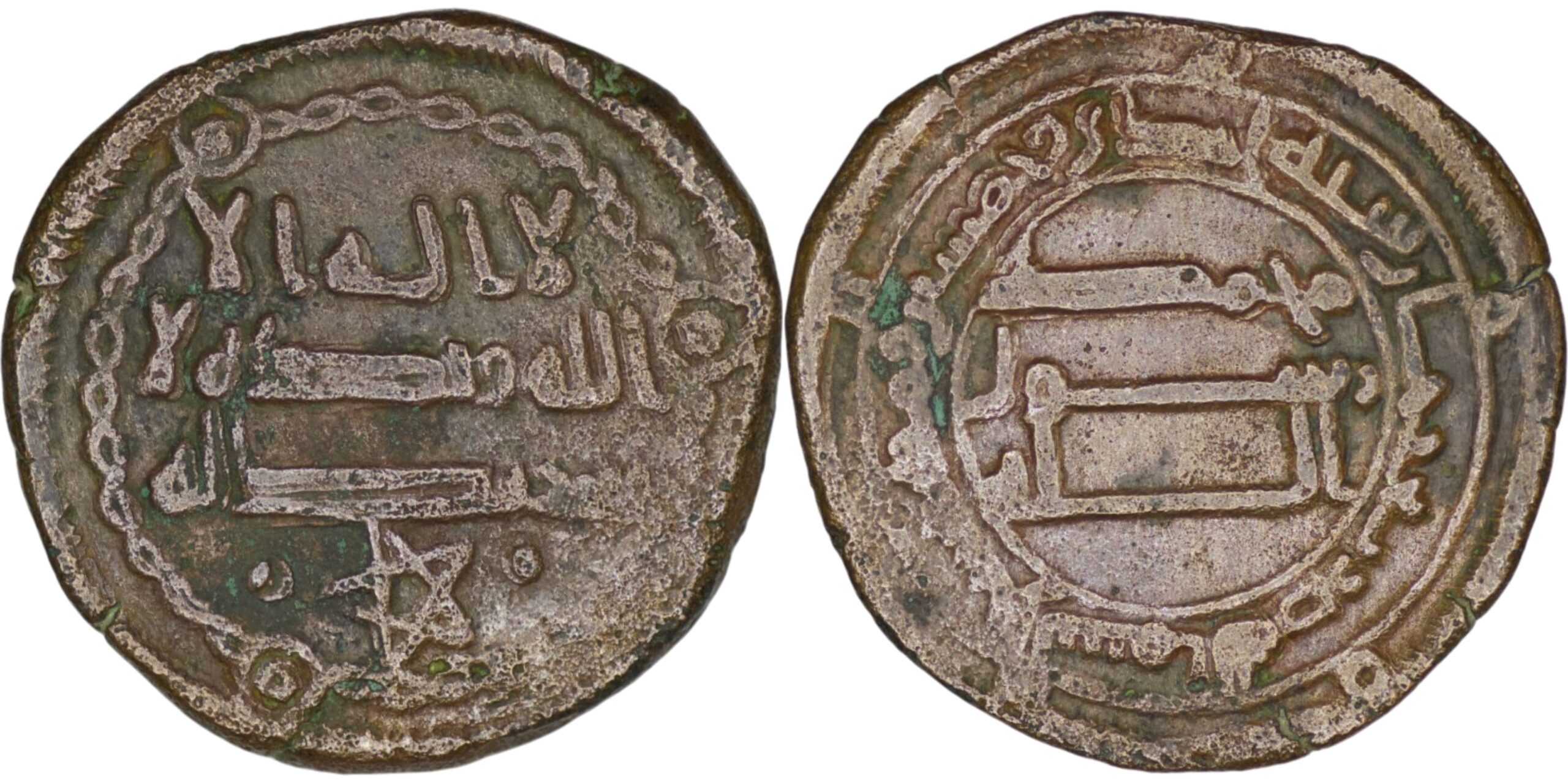
Copper / Bronze (Fals)
The lowest-value denomination, used for everyday small transactions — often less formally regulated than gold or silver issues, which makes fals coinage a genuinely rich area for mint-and-date variety at accessible prices.
Later periods also introduced billon (a low-silver-content alloy used when precious metal supplies were under strain) and, in some Ottoman-era contexts, coinage increasingly influenced by European metallurgical and minting standards as the empire modernised in its final century.
Section 5Islamic Coinage by Denomination
Denominations varied by dynasty, region, and era — but a handful of core names recur across Islamic numismatics and are worth knowing before you start buying.
| Denomination | Metal | Associated period / dynasty |
|---|---|---|
| Dinar | Gold | Umayyad through Ottoman — the standard Islamic gold coin, named after the Roman denarius aureus |
| Dirham | Silver | Umayyad, Abbasid, Buyid, Ilkhanid — the most widely struck Islamic silver denomination |
| Fals | Copper/bronze | Widely used across nearly all Islamic dynasties for small-value transactions |
| Shahi | Silver | Safavid Persia — the standard Safavid silver unit |
| Abbasi | Silver | Safavid Persia — named for Shah Abbas I |
| Akce | Silver | Early Ottoman Empire |
| Para / Kurush | Silver | Later Ottoman Empire |
| Tanka | Silver / gold | Delhi Sultanate |
| Rupee / Mohur | Silver / gold | Mughal India |
Section 6What to Look For as a Buyer
- Authentication. Islamic coins — especially early silver — are a frequent target for reproductions. Buy from a dealer who can authenticate, and consider third-party grading (NGC/PMG) for higher-value pieces.
- Legibility of the inscription. Because Islamic coins carry no portraits, condition is judged heavily on how clearly the script and mint/date can be read — this affects both value and research usefulness.
- Mint and date. Even common types can become significant if struck at a rare mint or in a short-lived year — this is where real expertise (and a dealer who documents provenance) pays off.
- Material and denomination fit for your budget. If you're starting out, a well-preserved silver dirham or fals typically offers far more accessible entry than gold, without sacrificing genuine historical significance.
- Regional and dynastic focus. Decide early whether you're collecting by period, by region, or by denomination — a clear organising principle makes both buying decisions and long-term research considerably easier.
Section 7Where to Start
Umayyad and early Abbasid dirhams remain a genuinely accessible entry point — historically foundational, visually striking in their pure calligraphic form, and available at a range of price points depending on condition and rarity. If Persian history draws you in specifically, Arab-Sasanian and Safavid coinage each offer a different, equally rewarding starting angle. And if you're drawn to visual spectacle over historical priority, Mughal gold and silver are hard to match for sheer craftsmanship.
Section 8Frequently Asked Questions
Which Islamic dynasty is best for a beginner collector?
Umayyad and early Abbasid dirhams are generally the most practical starting point — well documented, relatively available, and foundational to understanding everything that followed.
Why don't most Islamic coins have portraits or images?
Following Caliph Abd al-Malik's coinage reform in 696–697 CE, figural imagery was deliberately removed in favour of Arabic script alone, reflecting a distinctly Islamic monetary and religious identity — a few notable regional exceptions exist, such as brief Mughal figural issues.
Is it better to collect by dynasty, region, or denomination?
There's no single right answer — it depends entirely on what genuinely interests you. Some collectors prefer a chronological dynasty-by-dynasty approach, others focus on a single region's continuous history, and others build a collection purely around a denomination like the dirham across many different issuing authorities.
Are gold Islamic coins a better investment than silver?
Gold generally carries higher intrinsic and numismatic value, but silver dirhams and copper fals offer significantly more accessible entry points and, for many periods, a genuinely richer field of mints and dates to study — collecting should be approached as a historical interest first, with any investment consideration secondary.
How do I know if an Islamic coin I'm considering is genuine?
Buy from a dealer who can authenticate the piece directly, check that weight and dimensions match known standards for the type, and consider third-party NGC or PMG grading for any coin of meaningful value.
Explore our current stock across Umayyad, Abbasid, Safavid, and other Islamic coin categories, or get in touch and we'll help you find a starting piece that fits your interests, region of focus, and budget.