

Sasanian Silver Drachms: A Collector's Introduction
For over 400 years - from 224 to 651 CE - the Sasanian Empire produced one of the most consistent, well-documented, and visually striking coinage systems of the ancient world: the silver drachm. If you're new to Sasanian numismatics, this guide covers what makes the series such a genuinely rewarding area to collect, and what to look for as a buyer.
Why Sasanian Drachms Are Distinctive
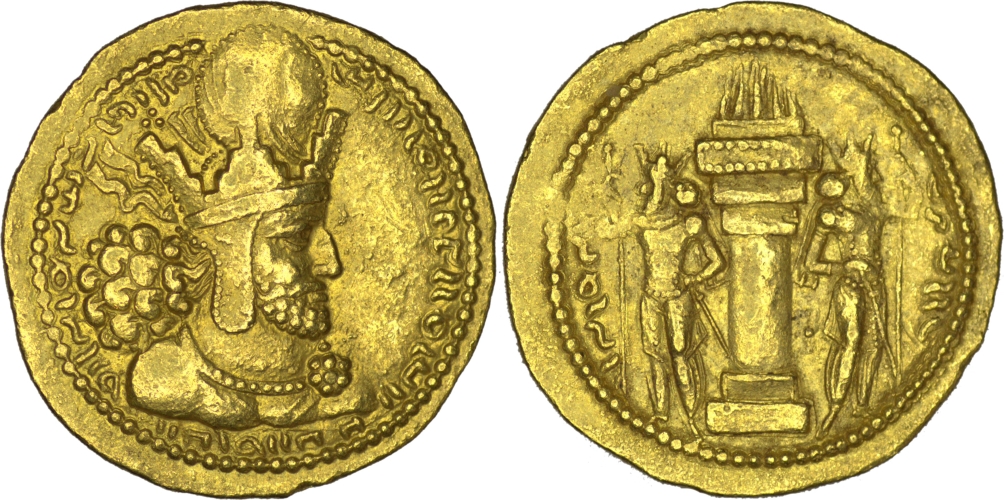
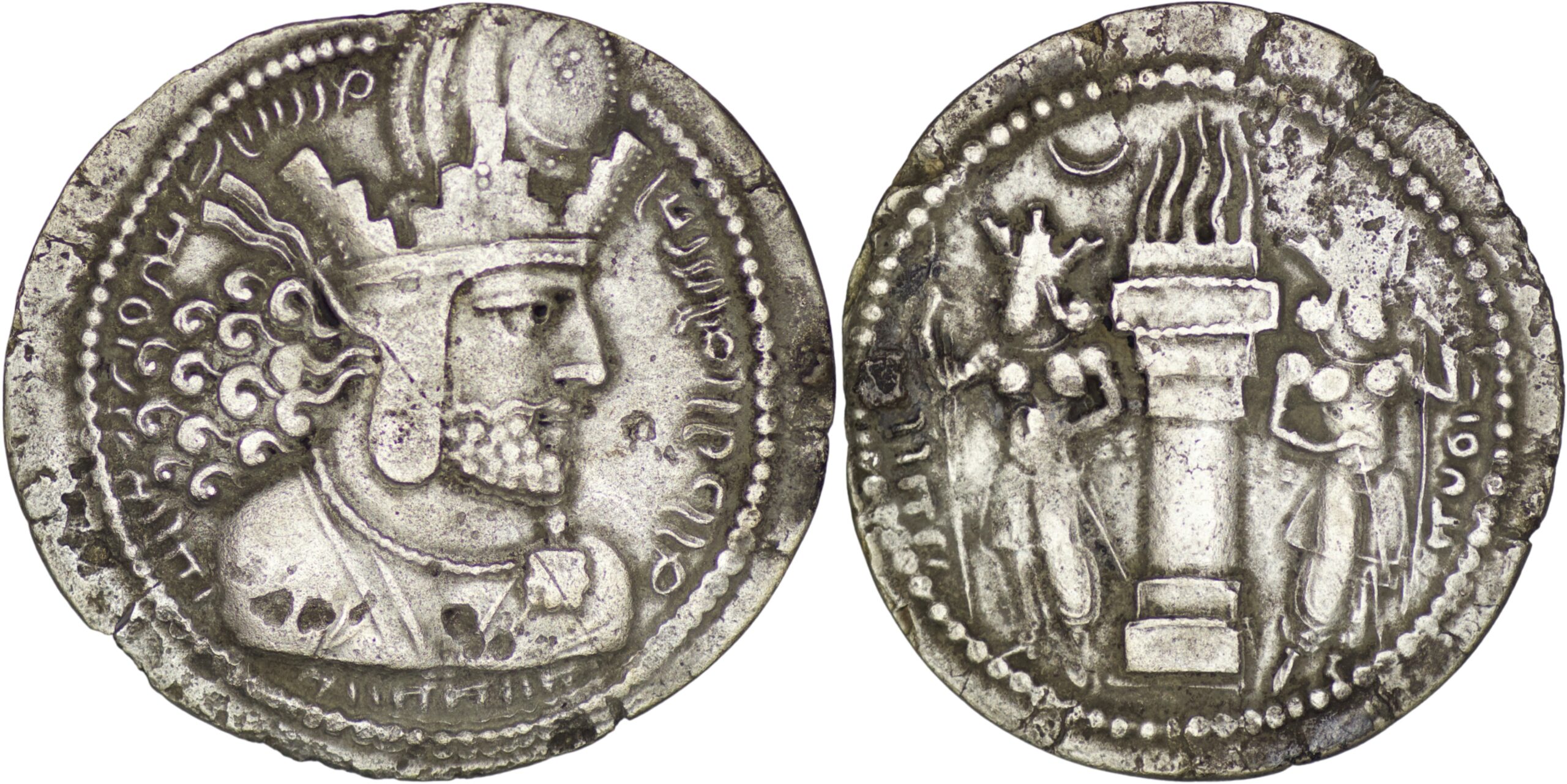
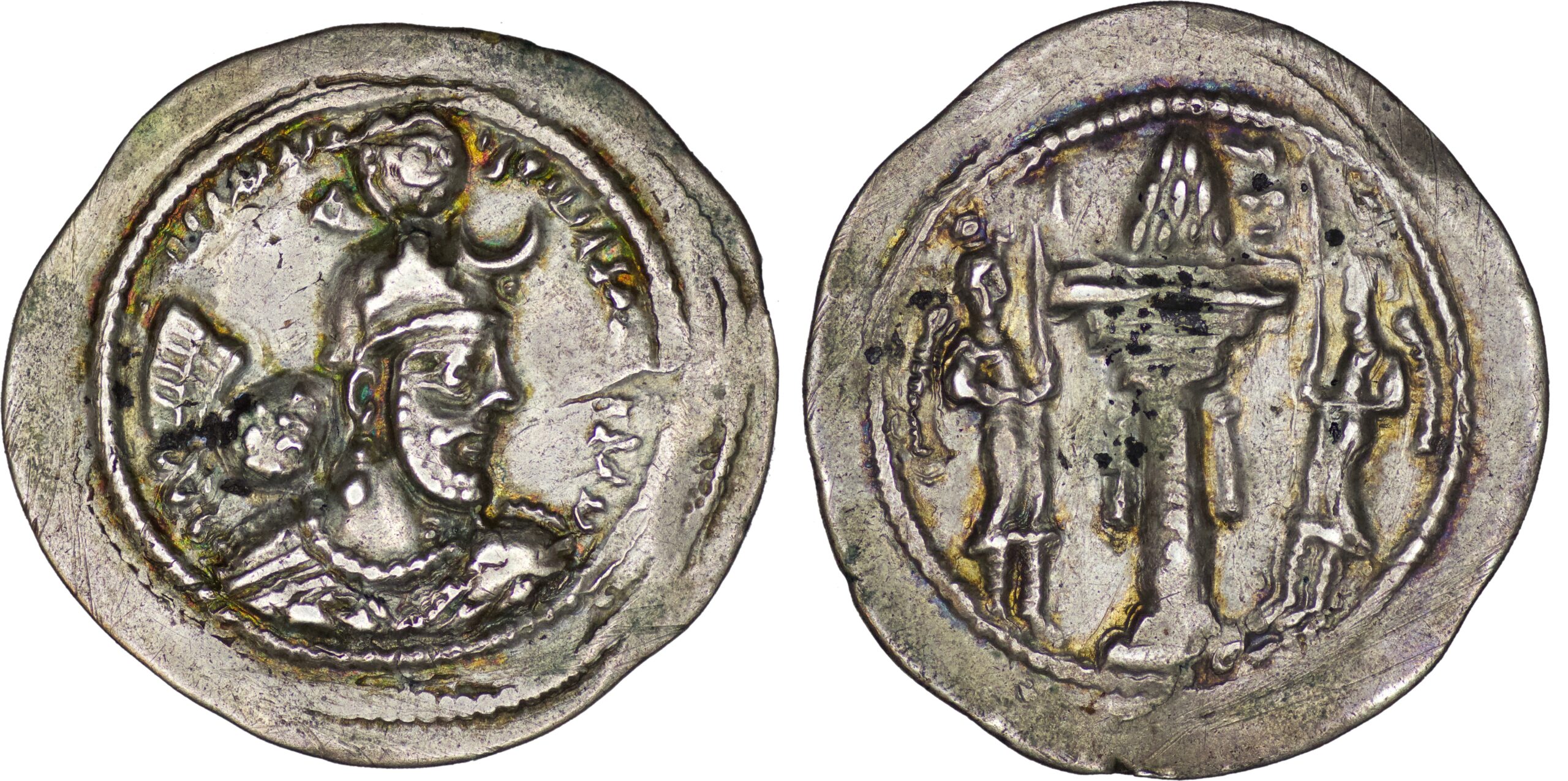
Unlike many ancient coinages, which vary considerably in design across rulers and mints, Sasanian drachms follow a remarkably standardised format maintained across four centuries: the king's portrait, shown in profile, wearing an elaborate and highly specific crown unique to that individual ruler on the obverse, paired with a Zoroastrian fire altar flanked by two attendants on the reverse. Crown design changed enough between rulers - and, notably, sometimes even within a single ruler's reign, as crowns were periodically modified - that the crown itself is often the single most important identifying feature on a Sasanian coin. This consistency is genuinely useful for collectors on two levels: it makes the series approachable for beginners, since the overall format is predictable and easy to learn, while also offering real depth for specialists, since crown variations, mint marks, and regnal-year dating together create an enormous field for detailed study.
Key Rulers to Know
- Ardashir I (224-242 CE) - founder of the Sasanian dynasty, who overthrew the preceding Parthian Empire and established the state religion and administrative structure that would define Persia for the next four centuries.
- Shapur I, Shapur II, Shapur III - a succession of powerful rulers spanning the empire's early consolidation through its repeated military confrontations with Rome, including Shapur I's famous capture of the Roman emperor Valerian.
- Khusrau II - presided over the empire's last great territorial expansion, briefly conquering Byzantine Egypt and the Levant, before a rapid and dramatic collapse that preceded the Arab conquest of Persia within a few decades of his death.
Reading a Sasanian Drachm - Mint and Date
Most Sasanian drachms carry both a mint signature and a regnal year, typically visible in the coin's margin, making precise dating possible on well-struck, well-preserved examples. Sasanian mints were numerous and spread across the empire's vast territory - from Ctesiphon in Mesopotamia to mints in the Persian heartland and further east - and identifying the specific mint that produced a given coin is a genuinely researchable pursuit that adds real depth to a collection built around this series.
What to Look for as a Buyer
- Crown clarity: Since crown design is central to correct identification, a coin with a clear, well-centred strike showing the full crown is significantly more desirable - and more useful for study - than an off-centre or heavily worn example where the crown detail is lost.
- Silver quality and weight: Sasanian drachms maintained a fairly consistent weight standard across most of the dynasty's history, so an unusual weight can indicate either a later imitation or a provincial/irregular issue - both of which are their own area of specialist interest, but worth knowing about before you buy.
- Surface condition and toning: As with all ancient silver, natural toning that has developed gradually over many centuries is a positive sign of authenticity and adds to a coin's visual appeal; an unnaturally bright or uniformly clean surface on a coin claimed to be uncleaned is worth questioning.
- Authentication: Sasanian drachms, being relatively available compared to some ancient series, are also a documented target for reproduction - third-party authentication is worthwhile for anything beyond a modest purchase.
Frequently Asked Questions
Yes - the predictable format (portrait plus fire altar) makes attribution more approachable than many other ancient series, while the crown variations and mint/date system still offer genuine depth as your knowledge grows.
Parthian coinage (the preceding Persian dynasty) typically shows a king's bust with a seated archer reverse, while Sasanian coins show the distinctive fire-altar-and-attendants reverse - the two series are visually quite distinguishable once you know what to look for.
Yes, considerably - rarer rulers, unusual mints, and exceptional condition all drive value differences, which is part of what makes the series rewarding to study in depth rather than buy at random.
Explore Sasanian Coins
Sasanian drachms remain one of the more accessible ways to own a genuine piece of pre-Islamic Persian history, with prices varying widely by ruler, mint rarity, and condition. Browse our current Sasanian stock or get in touch if you're building a collection around a specific ruler or period.
Browse Sasanian Stock