

E-Auction 12: two Roman provincial pieces the world has not seen before
Pashiz Coins | Auction news
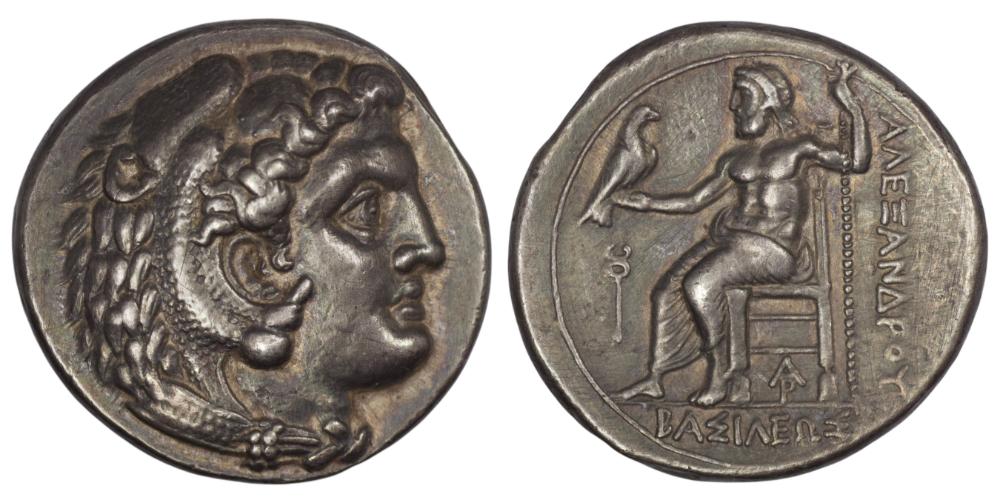
Our E-Auction 12 is now open for bidding, with 428 lots spanning ancient Greece, Rome, Judaea, Parthia and Sasanian Persia through the Islamic world to modern coins and banknotes. There is something here for every collector, at every level.
Every auction brings a few coins we are excited to handle. This time two of them stopped us in our tracks: a pair of exceptionally heavy Roman provincial pieces from Tarsos and Hadrianopolis that, as far as we can establish, have never been published and never appeared on the market before.
Two coins we believe have never been published
Both pieces are far heavier than anything normally struck for their cities, and both are best understood as medallic issues: special strikings rather than everyday money. We have searched the standard references and auction records and found no other examples of either.
Lot 252
Roman Provincial. Cilicia, Tarsos. Valerian I (AD 253–260). Æ 42.50 g
Start price £400 | Estimate £800
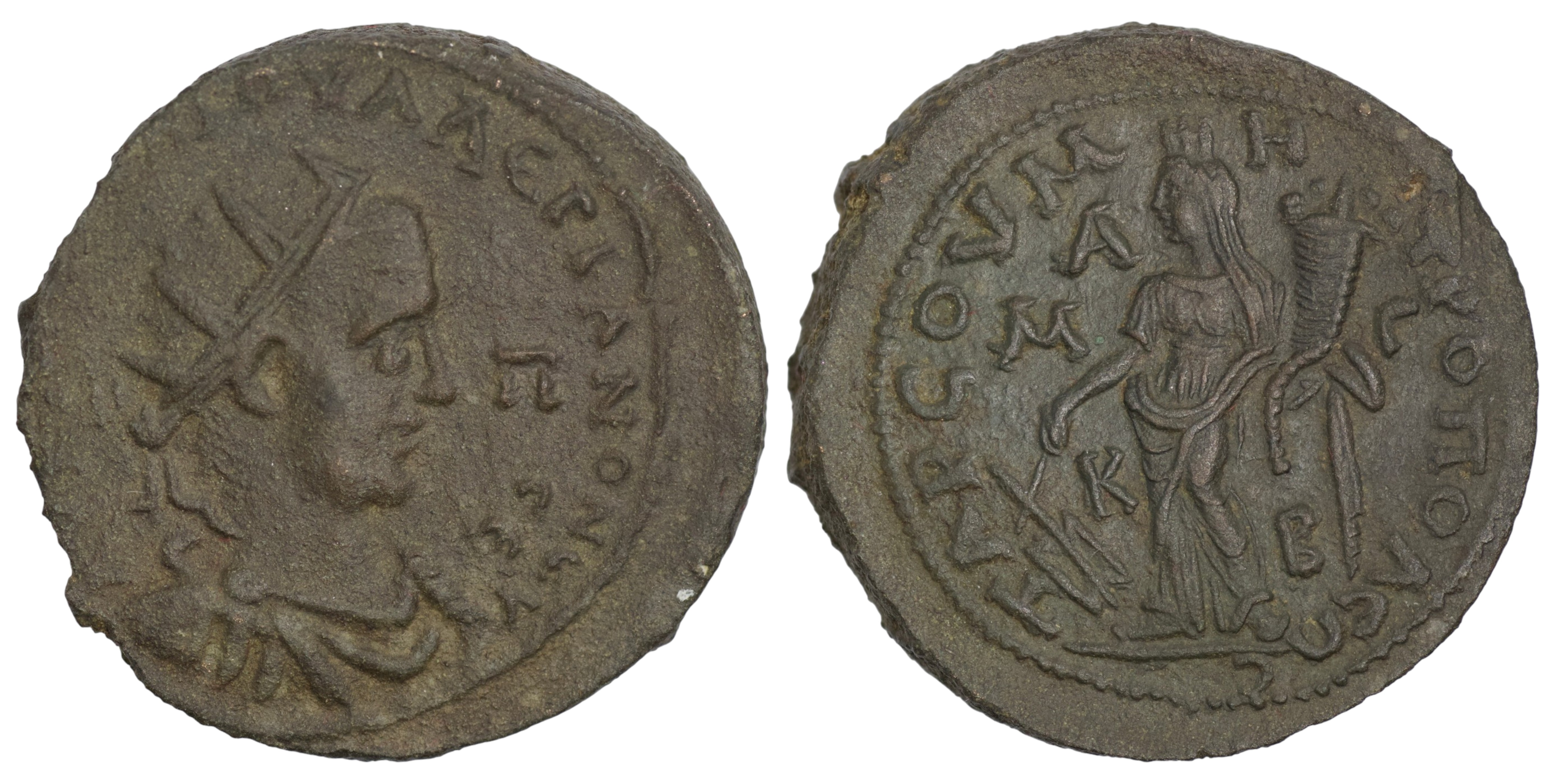
Tarsos was the proud metropolis of Cilicia, and its mint struck some of the largest and most ambitious bronzes of the Roman East. Even by those standards, this piece stands apart. At 42.50 grams on a 34 mm flan, it is far heavier than the large Tarsos bronzes normally seen for Valerian, and as far as we can establish it is the heaviest example ever recorded.
The obverse shows Valerian radiate, draped and cuirassed to right, with the legend AV KAI ΠO OVAΛEPIANΩN EYEYCE. On the reverse, Tyche stands left holding a rudder and cornucopia, surrounded by the city’s titles: TAPCOV MHTPOΠOΛEΩΣ AMK ΓB. The design is familiar; the weight is not.
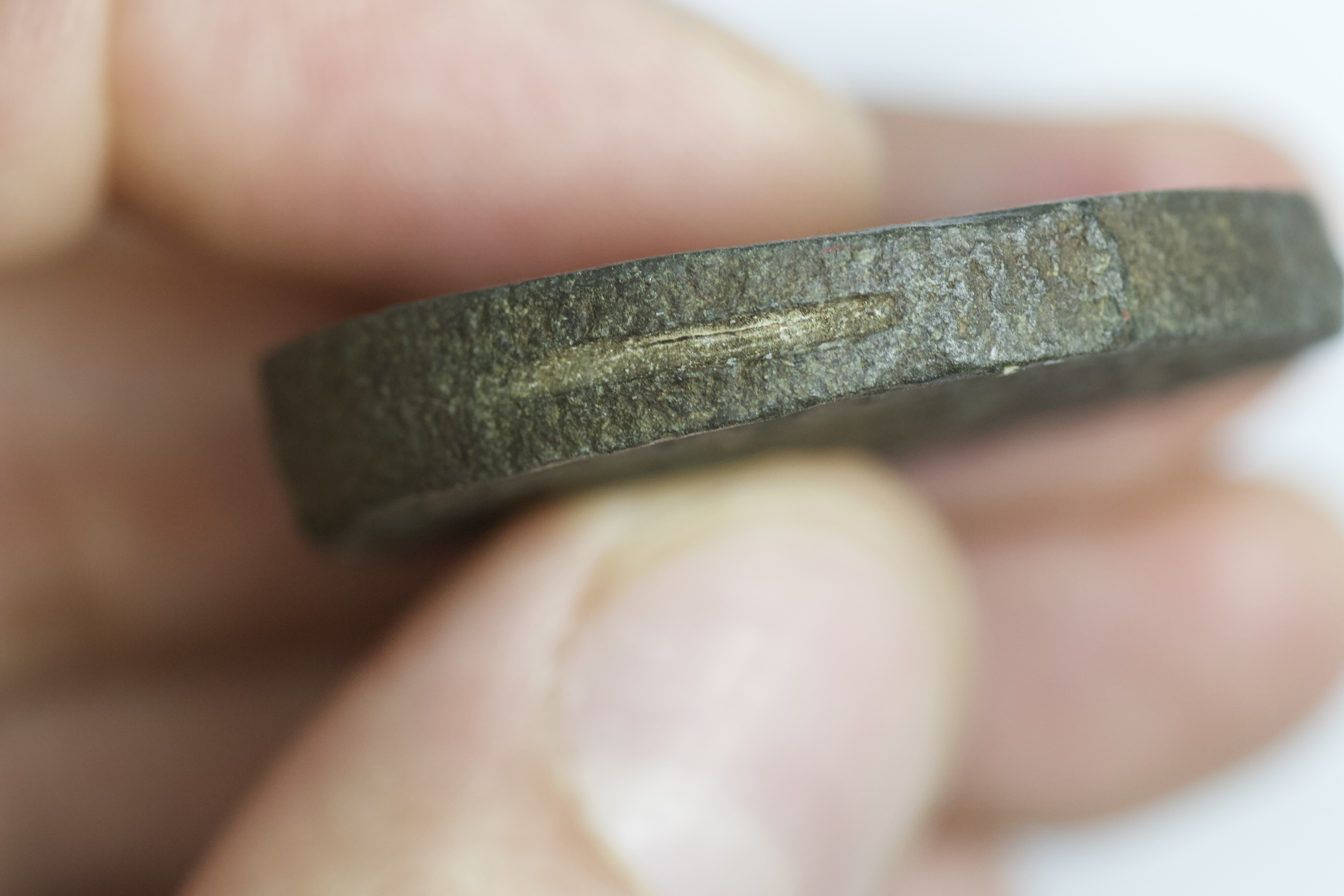
A flan this thick and heavy points to a medallic issue rather than ordinary circulating coinage, most likely a special striking for a presentation or civic occasion. We have not been able to trace another example in the standard references or in auction records, and we believe it to be possibly unique and unpublished. There is a test cut on the edge, which is common on heavy pieces that were checked in antiquity; otherwise the coin is extremely fine.
| Ruler | Valerian I (AD 253–260) |
| Mint | Tarsos, Cilicia |
| Weight / size | 42.50 g / 34 mm |
| Obverse | Radiate, draped and cuirassed bust right |
| Reverse | Tyche standing left, holding rudder and cornucopia |
| Condition | Test cut on edge, otherwise extremely fine |
| Note | Apparently the heaviest recorded. Medallic issue. Possibly unique and unpublished |
Lot 246
Roman Provincial. Thrace, Hadrianopolis. Antoninus Pius (AD 138–161). Æ Medallion? 47.76 g
Start price £400 | Estimate £800
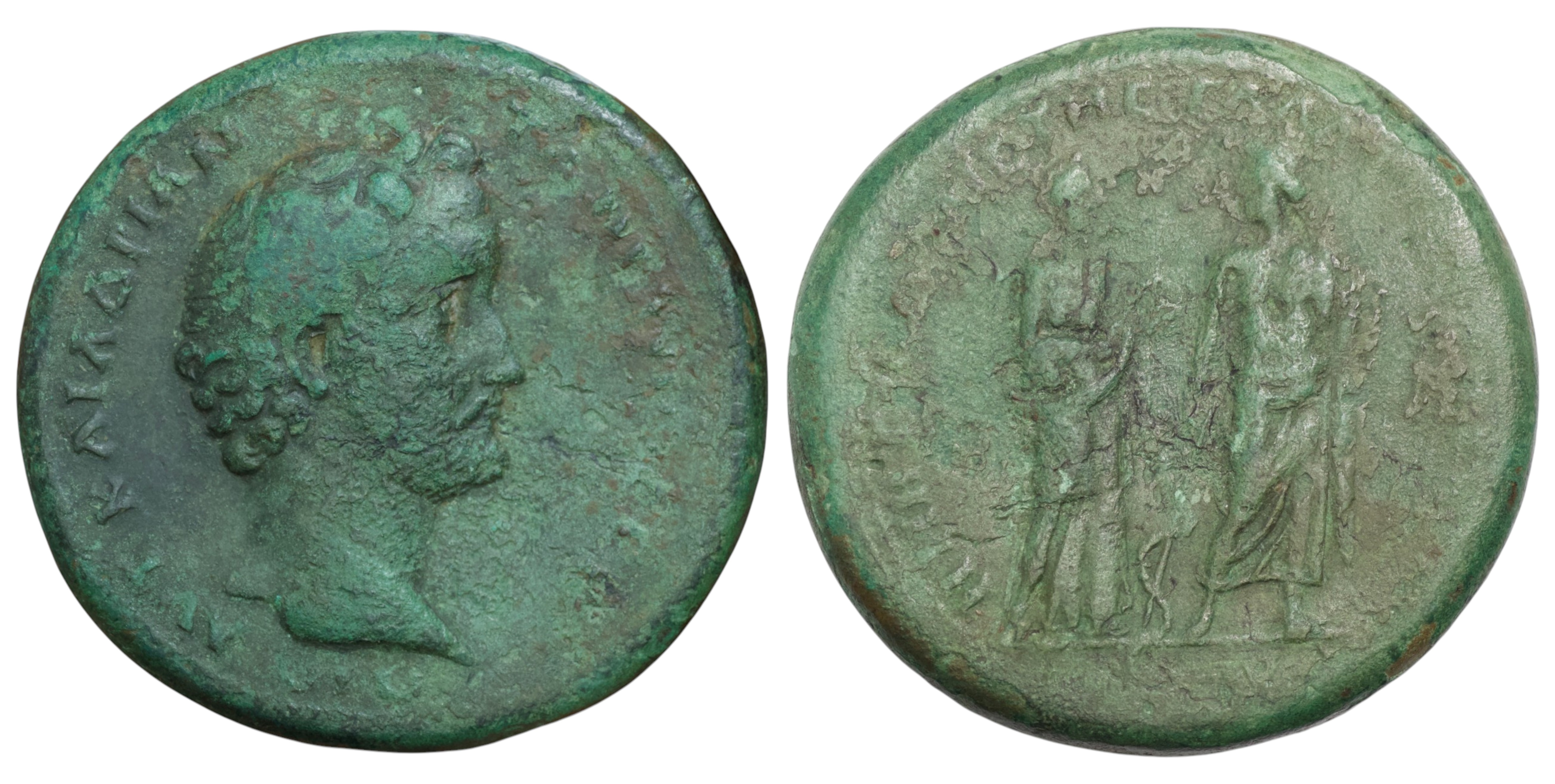
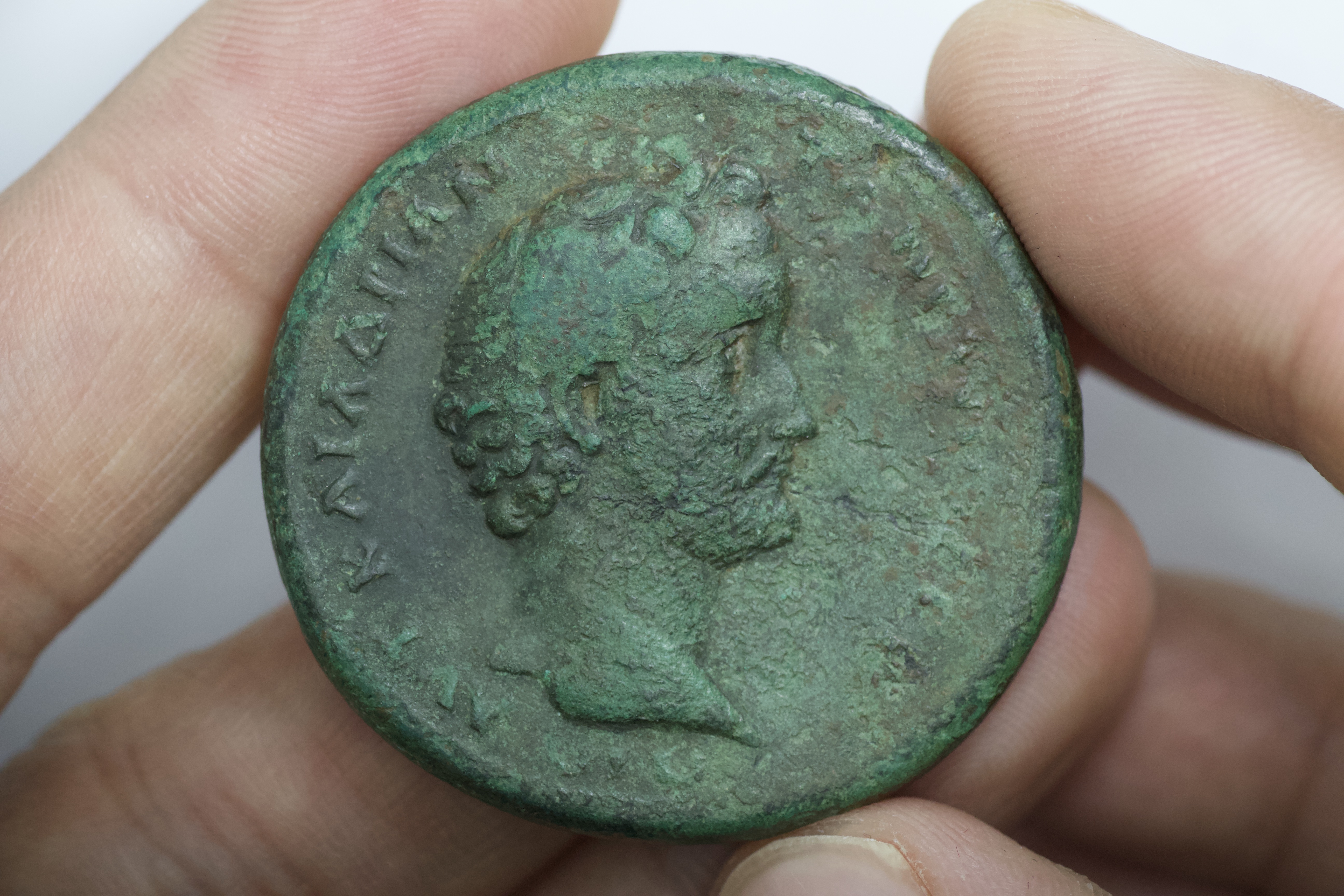
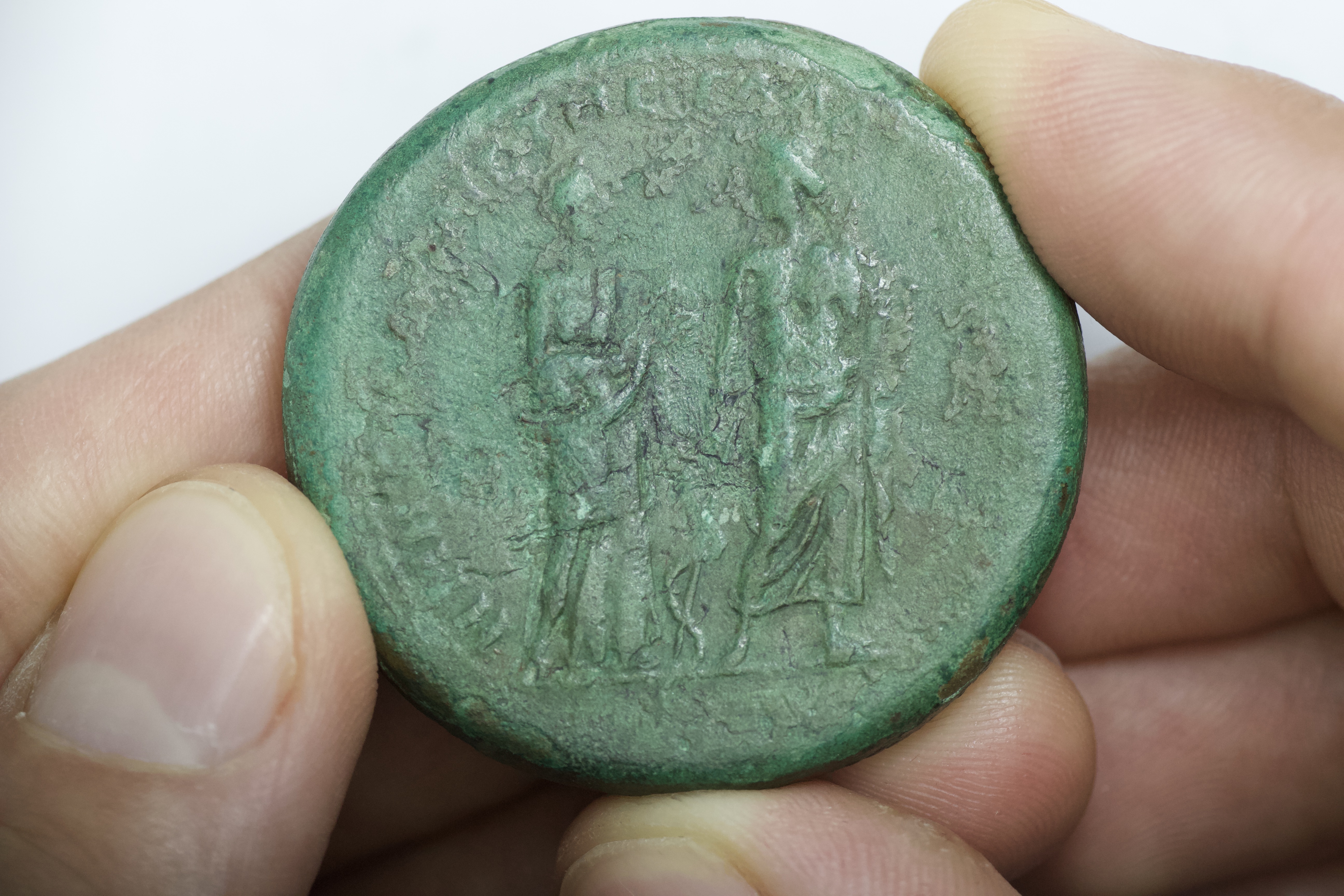
Hadrianopolis, modern Edirne, took its name from the emperor Hadrian, and its mint later became one of the busiest in Roman Thrace. Large pieces from the city under Antoninus Pius are rarely encountered, and nothing we know of compares with this one. It weighs a remarkable 47.76 grams on a 37 mm flan, the weight of a true medallion.
The obverse carries a laureate, draped and cuirassed bust of Antoninus Pius to right. The reverse shows Asklepios, god of healing, standing left with his serpent staff, facing his daughter Hygieia, goddess of health. The pairing was popular across the Greek East, where healing cults and their festivals were an important part of civic life.
The type is not listed in Roman Provincial Coinage (RPC –), and we have been unable to find another example. We believe it may be unique and unpublished: a rare chance to own a piece that may be the only surviving record of this issue. Very fine, with an exceptional weight and presence in hand.
| Ruler | Antoninus Pius (AD 138–161) |
| Mint | Hadrianopolis, Thrace |
| Weight / size | 47.76 g / 37 mm |
| Obverse | Laureate, draped and cuirassed bust right |
| Reverse | Asklepios standing left with serpent staff, facing Hygieia standing right |
| Reference | RPC – (unlisted) |
| Condition | Very fine |
| Note | Exceptionally heavy. Possibly unique and unpublished |
Coins like these surface very rarely. For a collector of Roman provincial coinage, they are an opportunity to own a piece that may not exist anywhere else, in any museum or collection.
More highlights from the sale
Beyond the two medallions, E-Auction 12 is especially strong in Greek, Parthian and Sasanian coinage. A few of our favourites:
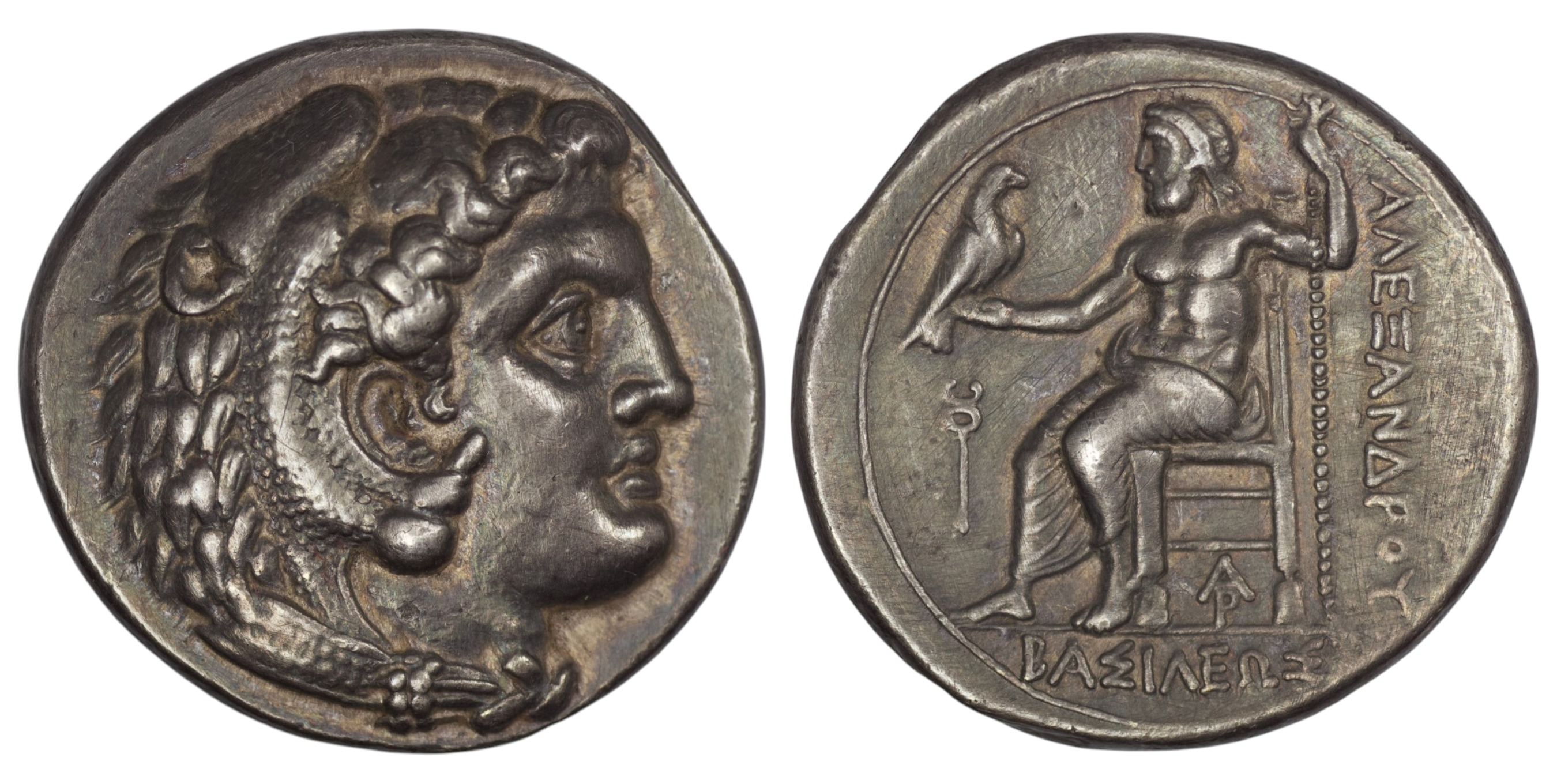 Lot 31
Macedonian Kingdom. Alexander III – Philip III. AR Tetradrachm. Arados
Extremely fine and toned, struck in the name of Alexander the Great.
Start price £500
Lot 31
Macedonian Kingdom. Alexander III – Philip III. AR Tetradrachm. Arados
Extremely fine and toned, struck in the name of Alexander the Great.
Start price £500
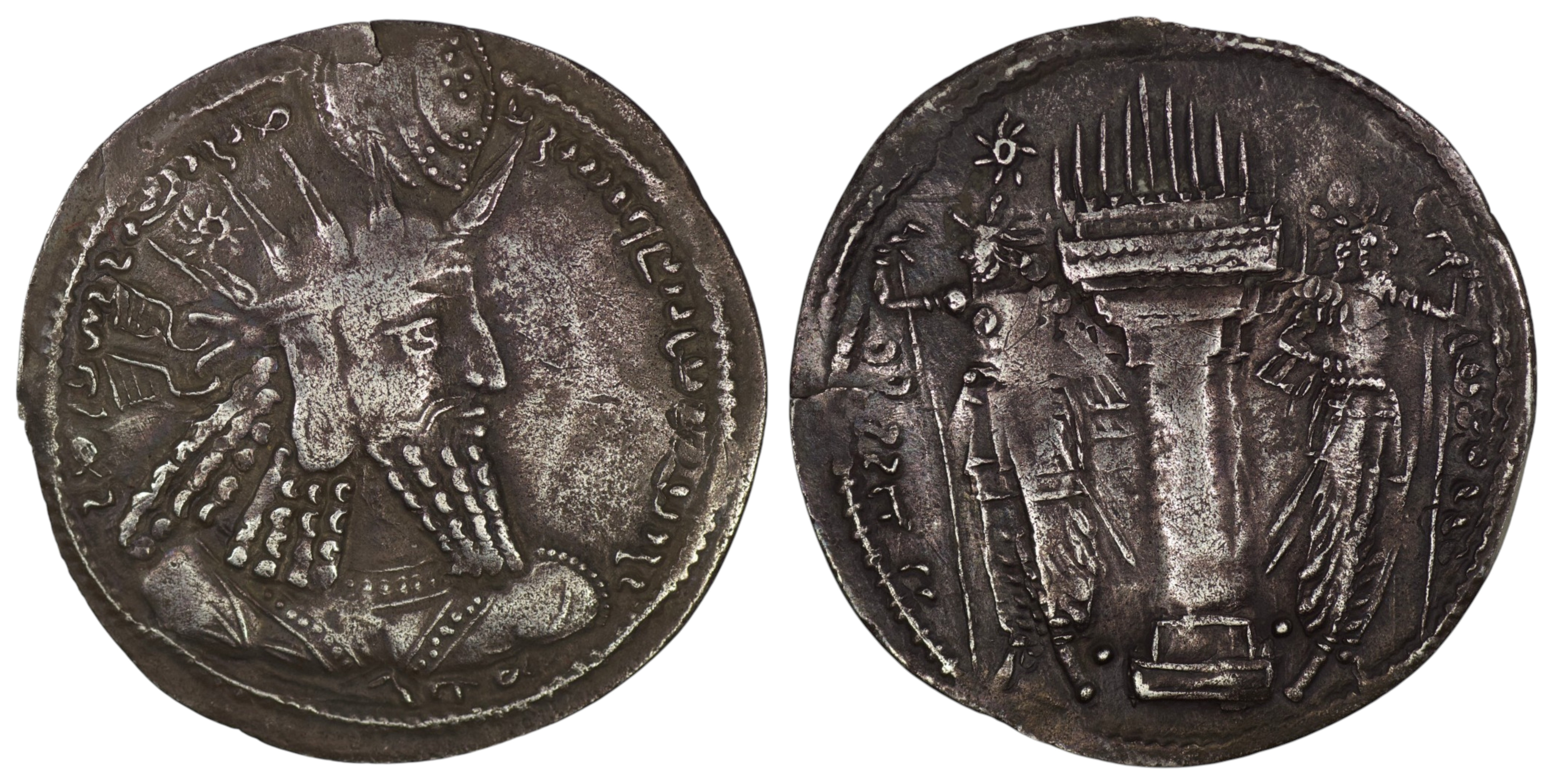 Lot 180
Sasanian Empire. Bahram I (AD 271–274). AR Drachm
Extremely rare with the star and sun symbol, possibly unpublished.
Start price £600
Lot 180
Sasanian Empire. Bahram I (AD 271–274). AR Drachm
Extremely rare with the star and sun symbol, possibly unpublished.
Start price £600
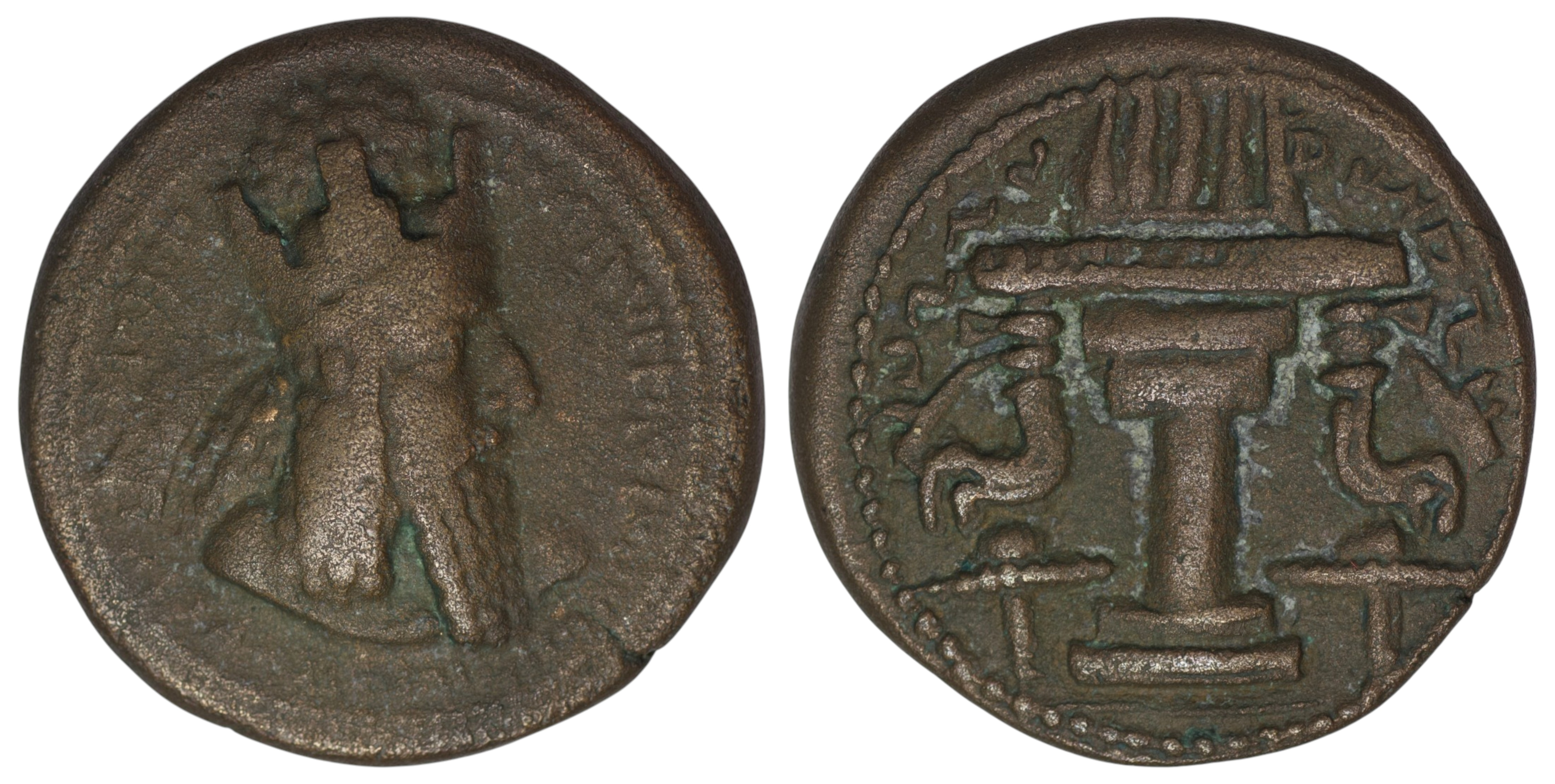 Lot 173
Sasanian Empire. Ardashir I (AD 224–242). Æ Tetradrachm. Ctesiphon
A powerful portrait of the founder of the Sasanian dynasty.
Start price £500
Lot 173
Sasanian Empire. Ardashir I (AD 224–242). Æ Tetradrachm. Ctesiphon
A powerful portrait of the founder of the Sasanian dynasty.
Start price £500
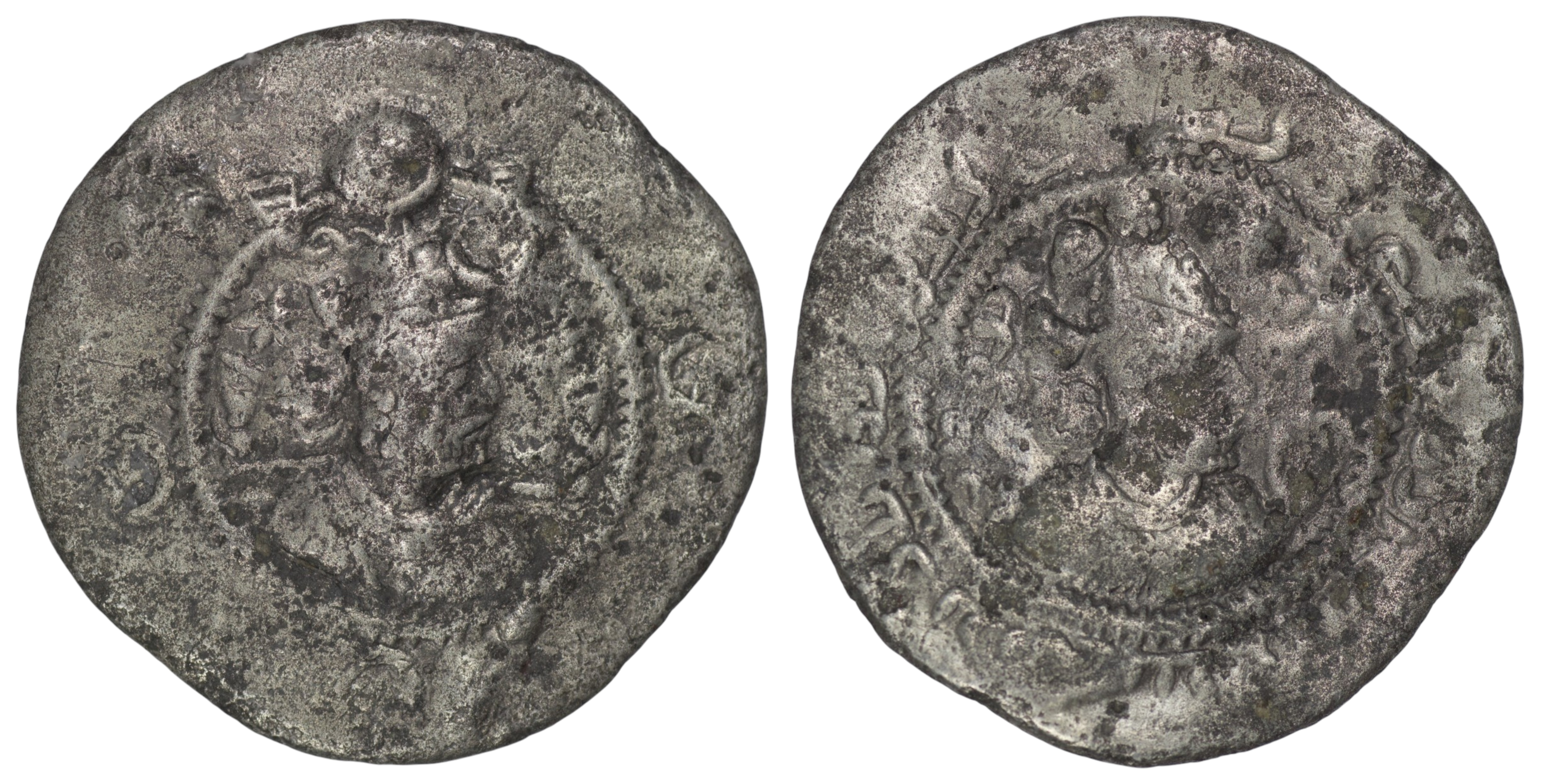 Lot 203
Sasanian Empire. Kavadh I (AD 488–531). BL Drachm or Tetradrachm
A special issue, extremely rare and possibly unpublished.
Start price £200
Lot 203
Sasanian Empire. Kavadh I (AD 488–531). BL Drachm or Tetradrachm
A special issue, extremely rare and possibly unpublished.
Start price £200
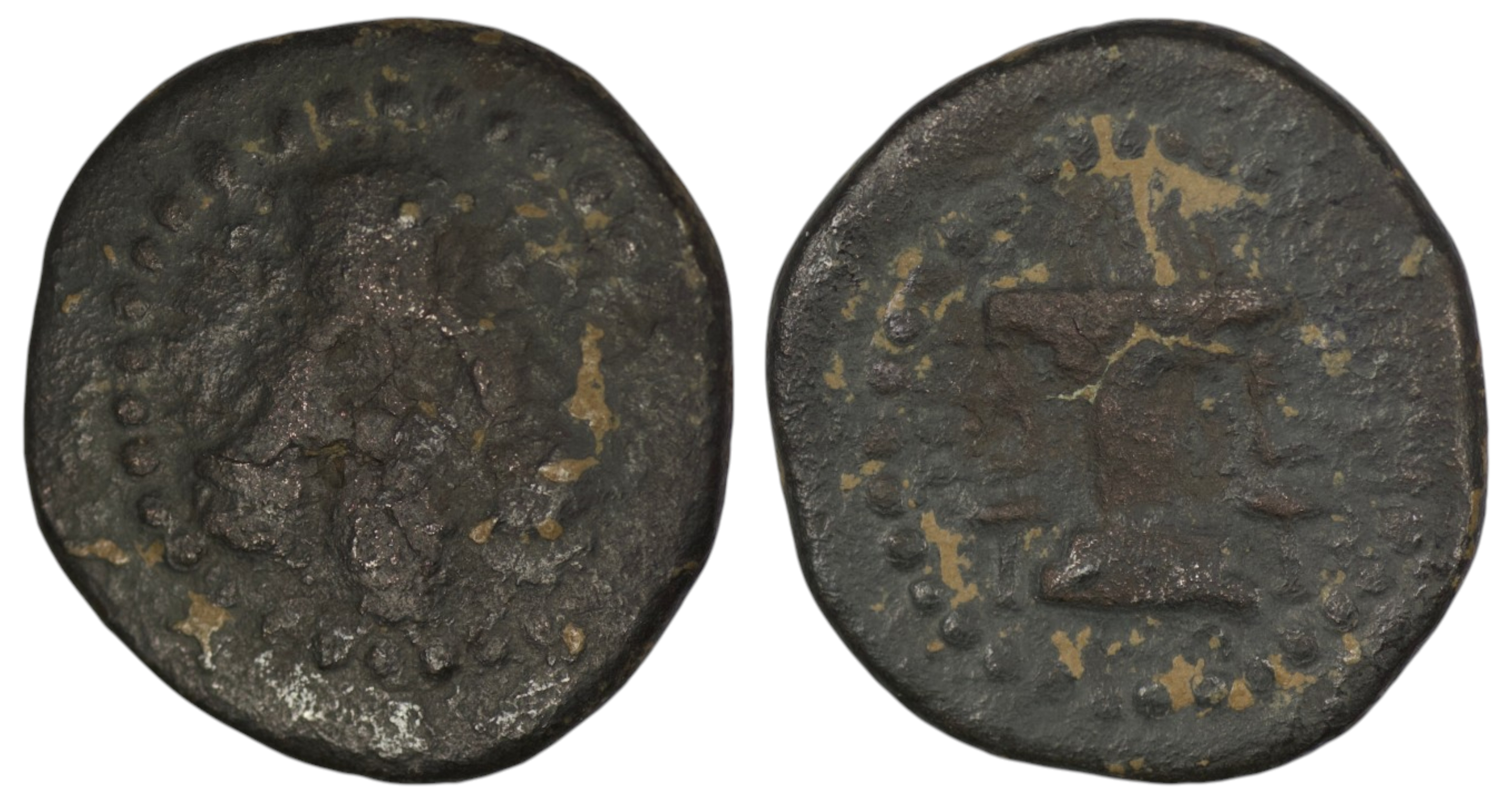 Lot 165
Persis Kingdom. Artaxerxes V (c. AD 209–224). Æ Dichalkon
Extremely rare bronze from the last king of Persis.
Start price £200
Lot 165
Persis Kingdom. Artaxerxes V (c. AD 209–224). Æ Dichalkon
Extremely rare bronze from the last king of Persis.
Start price £200
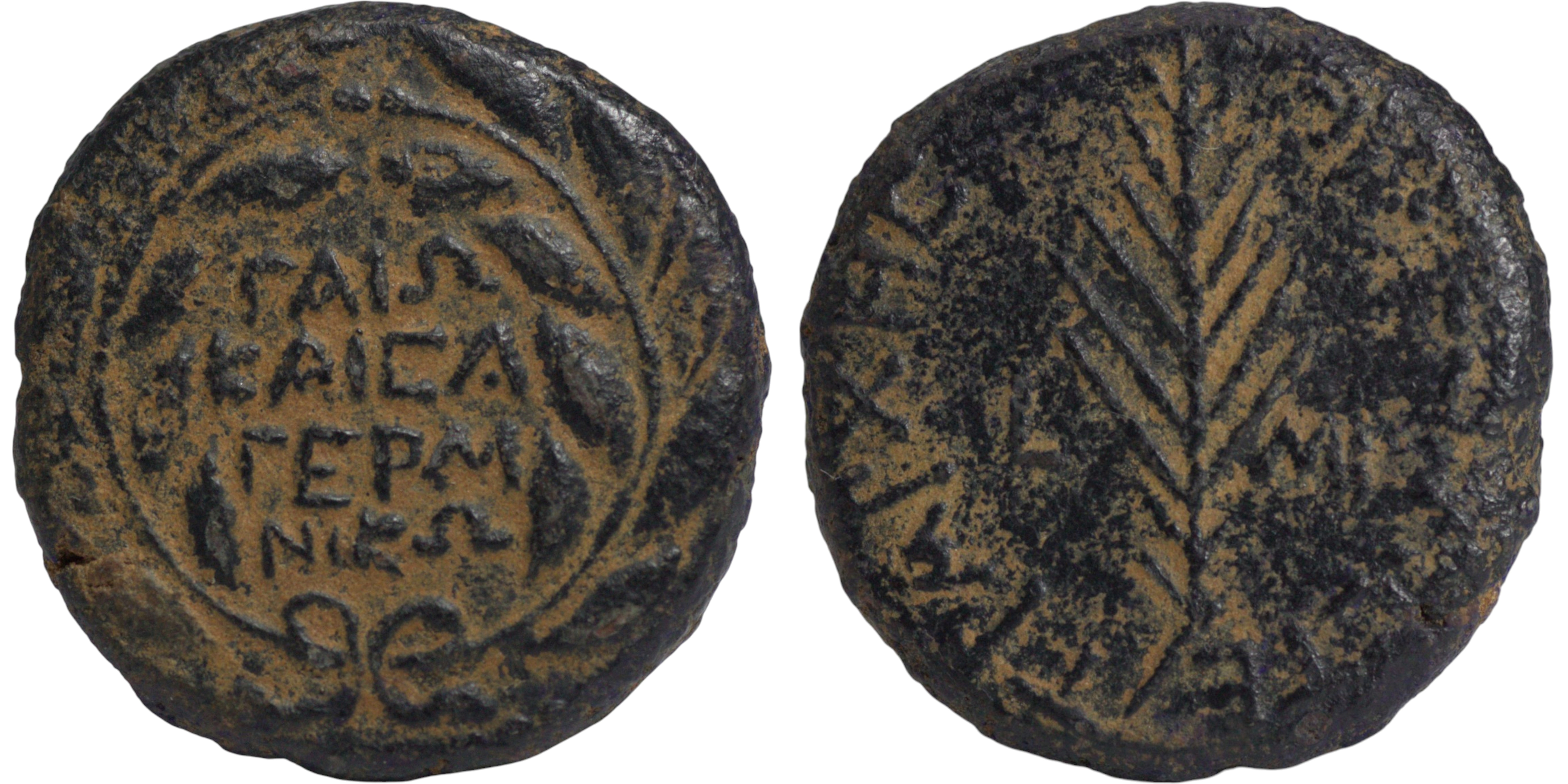 Lot 91
Judaea. Herod III Antipas. Æ Half Unit. Tiberias
Struck in the final year of the ruler from the Gospels.
Start price £300
Lot 91
Judaea. Herod III Antipas. Æ Half Unit. Tiberias
Struck in the final year of the ruler from the Gospels.
Start price £300
How to bid
You can bid directly on our website. If you are new to Pashiz Coins auctions, create an auction account first; you will need to verify your phone number before placing bids. Please read our auction terms before bidding. The sale is also listed on biddr and NumisBids.
Want to see a coin in hand? Viewing is available by appointment at our gallery: Unit B11, Alfies Antique Market, 13–25 Church Street, London NW8 8DT. Contact us on WhatsApp at 00447475409764, Monday to Saturday, 10:00–18:00.