

Al-Walid I and the Coinage of the Umayyad Territorial Peak
Al-Walid I ibn Abd al-Malik reigned as Umayyad caliph from 705 to 715 CE, during what many historians consider the territorial peak of the Umayyad Caliphate. Under his rule, Umayyad armies pushed into Spain (711), across Central Asia toward Transoxiana, and into the Indus Valley — bringing the empire, briefly, to its greatest extent from the Atlantic to the borders of China.

Al-Walid is remembered equally for architecture: he commissioned the Great Mosque of Damascus, one of the oldest surviving monumental mosques and a landmark of early Islamic art, along with major building projects in Medina and Jerusalem.
Coinage under Al-Walid I
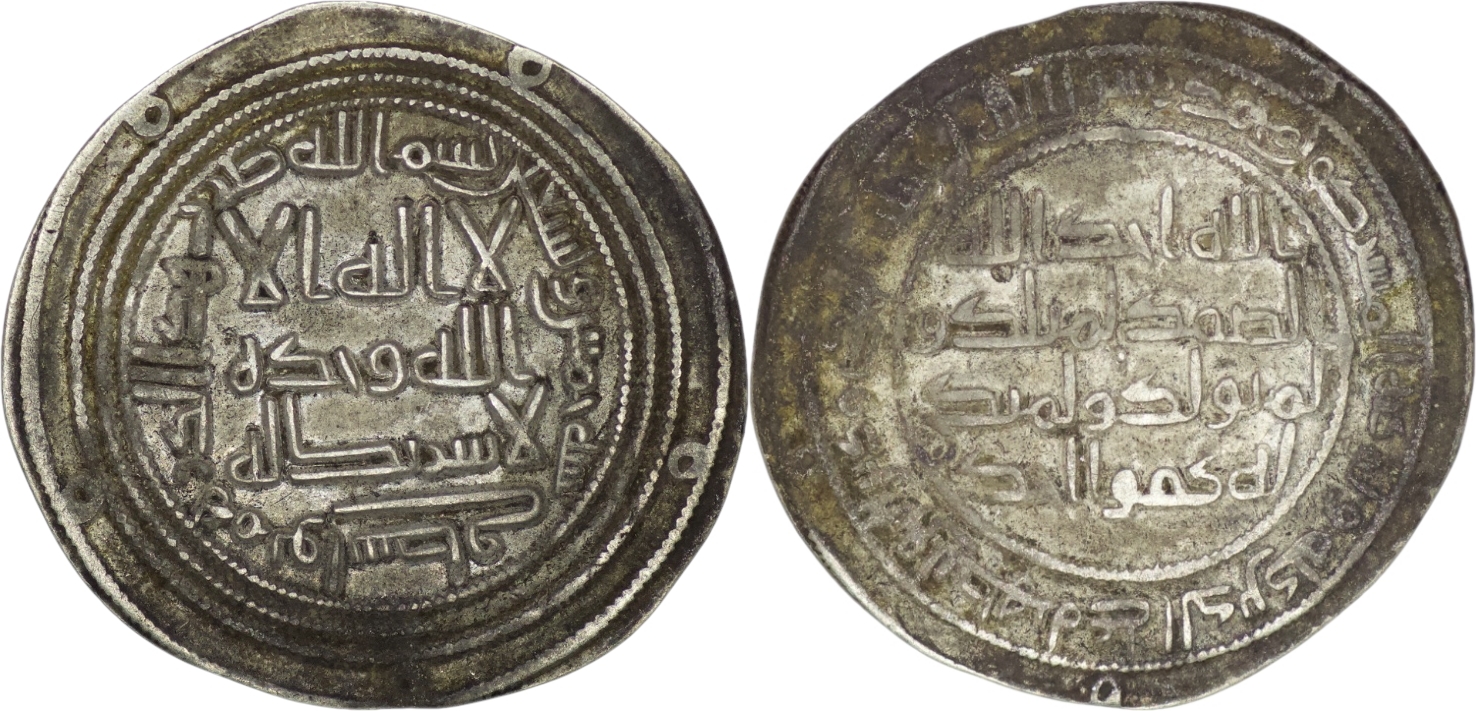
Al-Walid's reign falls within the mature reformed dirham system established by his father Abd al-Malik — Kufic-script silver dirhams without imagery, minted across an expanding network of provincial mints as the empire grew. Surviving dirhams from his reign, particularly from eastern mints active during the Central Asian campaigns, are of real interest to collectors researching the administrative reach of the early Umayyad state — the mint name on a coin is effectively a data point on how far the caliphate's authority actually extended in a given year.
Collecting Coins from This Period
Because Al-Walid's reign coincides with the empire's rapid territorial expansion, dirhams from his era offer collectors an unusually direct way to trace that expansion mint by mint. A collection built around "mints active under Al-Walid I" is a genuinely researchable, historically grounded collecting theme.
Explore Islamic Numismatics
We regularly carry Umayyad dirhams, including pieces from this period.
Browse our Islamic coinsOr contact us if you're researching a specific mint or date from Al-Walid's reign.