

Adud al-Dawla: Buyid Emir & His Silver Coinage
عضد الدولة
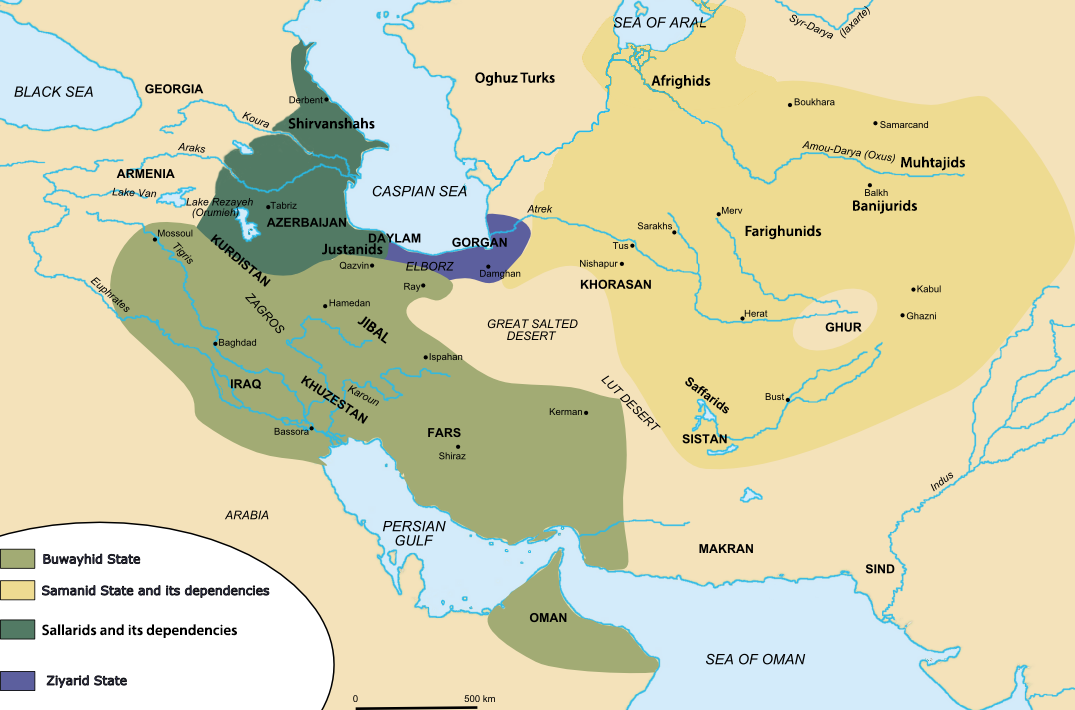
Adud al-Dawla ruled from 949 to 983 CE, holding the honorific title "Adud al-Dawla" — meaning "Support of the Dynasty" — granted to him by the Abbasid caliph in 962 CE in recognition of his growing power. He is widely regarded by historians as the most powerful and effective ruler the Buyid dynasty ever produced. Under his rule, the Buyids — a Daylamite Iranian dynasty originating from the mountainous region south of the Caspian Sea, who had gained effective control over the increasingly weakened Abbasid Caliphate — reached their territorial and administrative peak, unifying much of Persia and Iraq under a single Buyid ruler for the first time in the dynasty's history.
LegacyAdministrative & Cultural Achievements
Adud al-Dawla's reign is notable for genuine administrative achievement running alongside his military and political success. He commissioned extensive irrigation and infrastructure projects, including the Band-e Amir dam near Shiraz, portions of which still stand today — a remarkable engineering achievement for its era. He was also a significant patron of scholarship and the arts, and he built a sophisticated bureaucratic administrative system that kept the nominally subordinate Abbasid caliph very much operating in the Buyids' political shadow, even as the caliph retained formal religious legitimacy.
Historical ContextThe Layered Political Structure of Buyid Rule
Understanding Adud al-Dawla's coinage requires understanding the genuinely unusual political arrangement of his era: the Buyid emirs held real, effective military and administrative power, while the Abbasid caliph in Baghdad retained religious authority and nominal, symbolic legitimacy as the head of the Islamic world. This arrangement — power and legitimacy split between two distinct offices — would recur repeatedly across the medieval Islamic world for centuries after the Buyids themselves eventually declined, making this period a genuinely significant one in the broader history of Islamic governance.
NumismaticsCoinage Under Adud al-Dawla
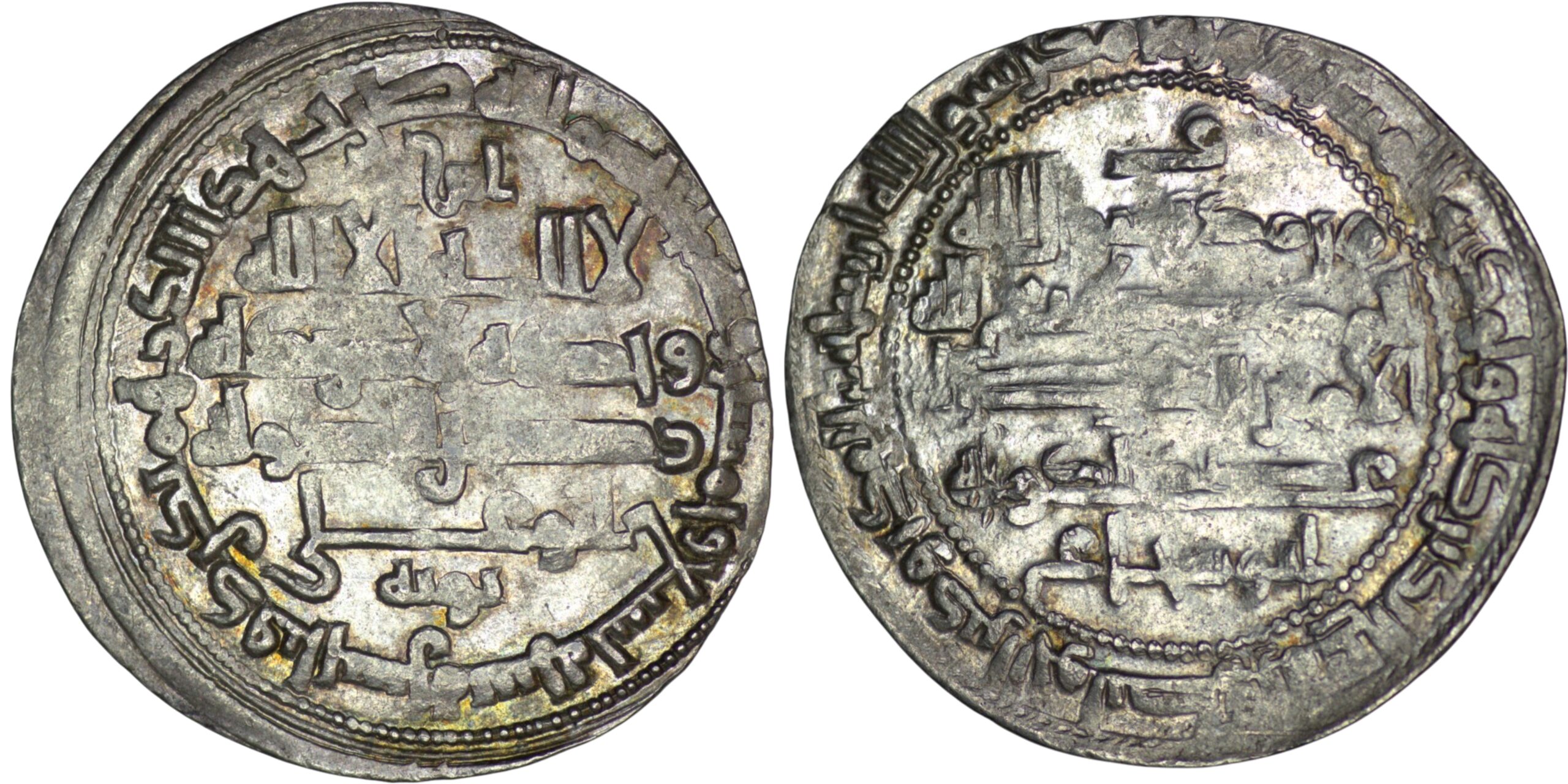
Buyid silver dirhams from Adud al-Dawla's reign were struck across an extensive mint network spanning Persia and Iraq, following the broader Abbasid-derived epigraphic tradition of the period — Arabic inscriptions citing the ruler's titles and honorifics, alongside continued nominal recognition of Abbasid caliphal authority, reflecting the genuinely complex layered sovereignty of the era described above.
CollectingWhy This Period Interests Collectors
Buyid coinage documents, directly and tangibly, a genuinely important transitional moment in Islamic political history — the specific point at which regional dynasties began exercising real power while the caliphate retained symbolic authority, a governance pattern that would recur across the medieval Islamic world for centuries afterward. Adud al-Dawla's extensive mint network also means dirhams from his reign offer collectors real depth for mint- and date-focused collecting, since his territory spanned such a wide geographic area.
Buyer's NoteWhat to Look For When Buying Buyid Coins
As with most medieval Islamic coinage, correct attribution depends on reading the ruler's titulature alongside mint and date information in the coin's margin — Adud al-Dawla's extensive titulature, reflecting his growing honours and territory over the course of his reign, can itself be a useful dating tool for specialists.
FAQFrequently Asked Questions
Why did the Buyids allow the Abbasid caliph to remain in place if they held the real power?
The caliph's religious legitimacy was itself valuable — governing "in the caliph's name" gave the Buyids a form of legitimacy they couldn't easily generate independently, which is part of why this layered arrangement persisted for so long.
Are Buyid coins widely available to collectors today?
They're less widely collected than better-known dynasties like the Umayyads or Abbasids, which can make well-preserved examples genuinely good value relative to their historical significance.
What does the title "Adud al-Dawla" mean?
It translates roughly to "Support of the Dynasty" or "Pillar of the State" — an honorific title granted by the Abbasid caliph, reflecting Adud al-Dawla's growing power and the caliph's practical need to formally recognise it.
Browse our current Buyid (Buwayhid) coin stock or contact us about Adud al-Dawla's coinage specifically.